Basic
$199/yr
or $17/mo billed monthly
Save $5 a year paying yearly
- 1 precision tune-up per year (heating or cooling)
- 10% off repairs
- Priority scheduling
- Maintenance reminders
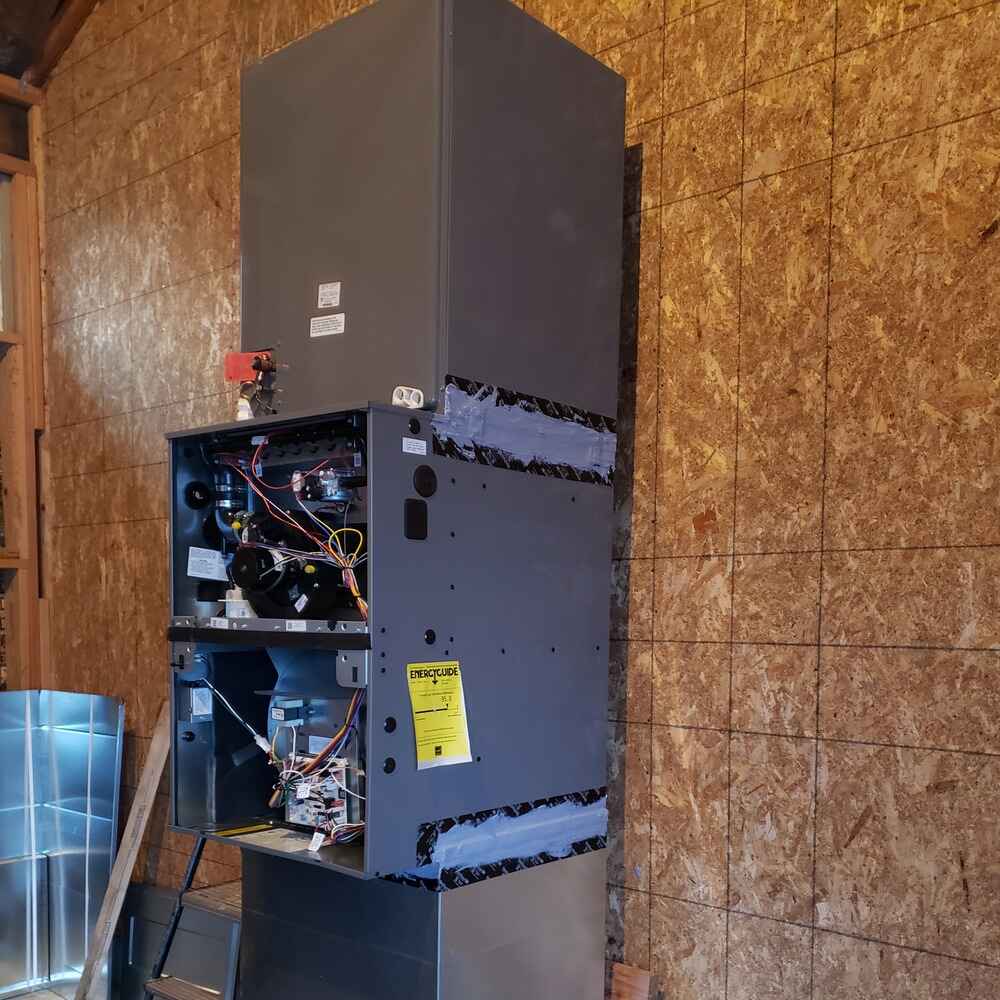
Optimize warmth & energy savings with professional Gas Furnace Tune-up! Ensure peak performance this season with expert service. Book your tune-up today!
Plans & Pricing
Join buttons open our online scheduler. Pick “Maintenance Plans”, then choose your plan.
or $17/mo billed monthly
Save $5 a year paying yearly
or $19/mo billed monthly
Save $9 a year paying yearly
or $29/mo billed monthly
Save $19 a year paying yearly
Prices plus applicable sales tax. Each plan covers one system for 12 months.
Additional system at the same address: +$99/yr.
Routine gas furnace tune-up services play a critical role in maintaining heating efficiency and ensuring safety. Regular maintenance addresses issues such as accumulating debris, worn components, or airflow obstructions that hinder optimal performance. Ignoring tune-ups increases the risk of unexpected equipment failure, compromised energy efficiency, and climbing utility bills.
Technicians inspect essential parts like burners, heat exchangers, and filters while verifying system calibration. This proactive gas furnace tune-up approach helps prevent hazards such as carbon monoxide leaks and fire risks. Furthermore, scheduled tune-ups extend the furnace's lifespan, reducing long-term replacement costs. With professional expertise, homeowners can achieve consistent warmth and peace of mind during colder months.
A gas furnace's efficiency directly affects the amount of energy consumed to heat your home. Higher efficiency furnaces convert a greater percentage of energy from fuel into heat, minimizing waste. Furnaces are rated by Annual Fuel Utilization Efficiency (AFUE), with ratings like 90% or 95%. A higher AFUE implies better performance, reducing energy costs over time.
Routine tune-ups maintain optimal performance by reducing energy loss, sealing leaks, and enhancing combustion systems.
Professional technicians play a critical role in ensuring the efficient operation and longevity of gas furnaces. They bring specialized knowledge required to identify potential issues and execute precise solutions. Technicians conduct comprehensive inspections, including cleaning key components like burners and blowers, which enhances thermal efficiency.
Their expertise ensures safety by checking for gas leaks, proper venting, and carbon monoxide risks. Professionals are also trained to calibrate thermostats and fine-tune system controls for optimal performance. Through their access to advanced tools, technicians make adjustments that untrained individuals might overlook, guaranteeing peak energy efficiency and reliable heating during colder months.
A thorough gas furnace tune-up involves multiple critical steps to ensure optimal performance, efficiency, and safety. Each component plays a vital role in maintaining the system’s longevity and reducing energy costs.
By addressing these components, a gas furnace tune-up maintains peak efficiency while prioritizing homeowner safety.
Scheduling furnace maintenance during the early fall ensures peak performance when temperatures drop. This timing allows technicians to address potential issues before the heating season begins in earnest. Regular checkups during this period also help homeowners avoid emergency repairs during winter, when HVAC services may be in higher demand.
In spring, after the furnace has run heavily all winter, a secondary inspection can help identify wear and tear from extended use. By timing tune-ups with the changing seasons, system longevity and energy efficiency are maximized. Proactive maintenance reduces unexpected costs and maintains consistent heat output year-round.
Proper maintenance plays a critical role in prolonging a furnace’s operational life. Homeowners can adopt several proactive measures to ensure optimal performance over time.
Investing time in these practices helps prevent unexpected failures while maximizing efficiency.
Regular gas furnace tune-ups are essential for mitigating a variety of operational problems that can compromise performance and safety. Neglected maintenance often leads to reduced efficiency, increased utility costs, and unexpected breakdowns. Routine inspections help address the following issues:
With proactive tune-ups, these issues can be identified and resolved before they escalate into costly repairs or hazardous situations.
An efficient gas furnace contributes significantly to reducing environmental impact. By maximizing fuel usage, it minimizes greenhouse gas emissions, particularly carbon dioxide, which is a major contributor to climate change. Efficient furnaces burn cleaner fuels, reducing the release of harmful pollutants like nitrogen oxides and particulate matter into the atmosphere.
Modern, well-maintained systems consume less energy, which decreases the demand for fossil fuel production and lessens the strain on natural resources. Additionally, energy-efficient furnaces often align with stricter environmental standards, helping homeowners comply with regulations. Transitioning to such systems promotes a healthier, more sustainable environment for everyone.
Selecting a qualified service provider for gas furnace tune-ups is essential to ensure reliable performance and safety. Homeowners should verify certifications, such as HVAC licensing, which confirm technical expertise. Checking reviews and references provides insight into a provider’s reliability and customer service. Compare pricing carefully, ensuring it reflects market standards while including comprehensive services like system cleaning, calibration, and inspection. Prioritize contractors who offer warranties or satisfaction guarantees, as this demonstrates confidence in their work. Clear communication regarding service details, timelines, and potential repairs is crucial. Additionally, seek providers with emergency support options to address unexpected issues promptly.
Reviews
★ 4.9 out of 5 · Based on 166 Google reviews

Oskar Ml
Prompt service, arrived within the time window. Reasonable pricing. Our AC suddenly stopped blowing cold air in the middle of the heatwave. Our tech immediately identified the issue and did not upsell...

Hermila
I wouldn't hesitate to call this company again. Our technician was very helpful and extremely knowledgeable. He fixed our leaking water heater very quickly and effectively and answered every question...

Ralph Pryor
Technician showed up after the 8-10 service window and was not prepared to complete the seevice requested. He did not have filters required. I had to reschedule for another time. After reschedule, Eug...

sam petrashishin
I have done many electrical jobs for HVA Climate control and had used them as a sub on many of my own project. Euegene has stood out to me as a good character. When I need a job schedule as a certain...

Ion Capitan
Highly Recommended! I had an excellent experience with “HVA CLIMATE CONTROL,, regarding the installation and servicing of my heating system. Their professionalism, punctuality, and attention to detai...
Related Services
Get emergency gas furnace repair from HVA Climate Control in Portland & Vancouver. No-heat calls are prioritized, 7 days a week until 9 PM.
View Service⚙Keep your gas furnace running efficiently and safely with expert maintenance from HVA Climate Control.
View Service⚙Upgrade your gas furnace with HVA Climate Control to improve efficiency, lower heating costs, and enjoy better comfort in your Portland or Vancouver home.
View Service