
How to Prepare Your HVAC System for Winter in the Pacific Northwest
How to Prepare Your HVAC System for Winter in the Pacific Northwest
Winter here does not arrive the way it does in the Midwest. We rarely see the deep freeze that makes national HVAC advice feel urgent. What we get instead is a long, damp, grey stretch from November through March where the temperature parks itself in the 30s and 40s and simply stays there.
That is its own kind of demand. A furnace in Vancouver or Portland does not face one brutal week - it faces five months of near-constant moderate runtime, in air that holds moisture the entire time. Systems here fail less from cold shock and more from steady wear that nobody checked on in October.
Here is what actually matters before the season starts.
1. Run the Heat Before You Need It
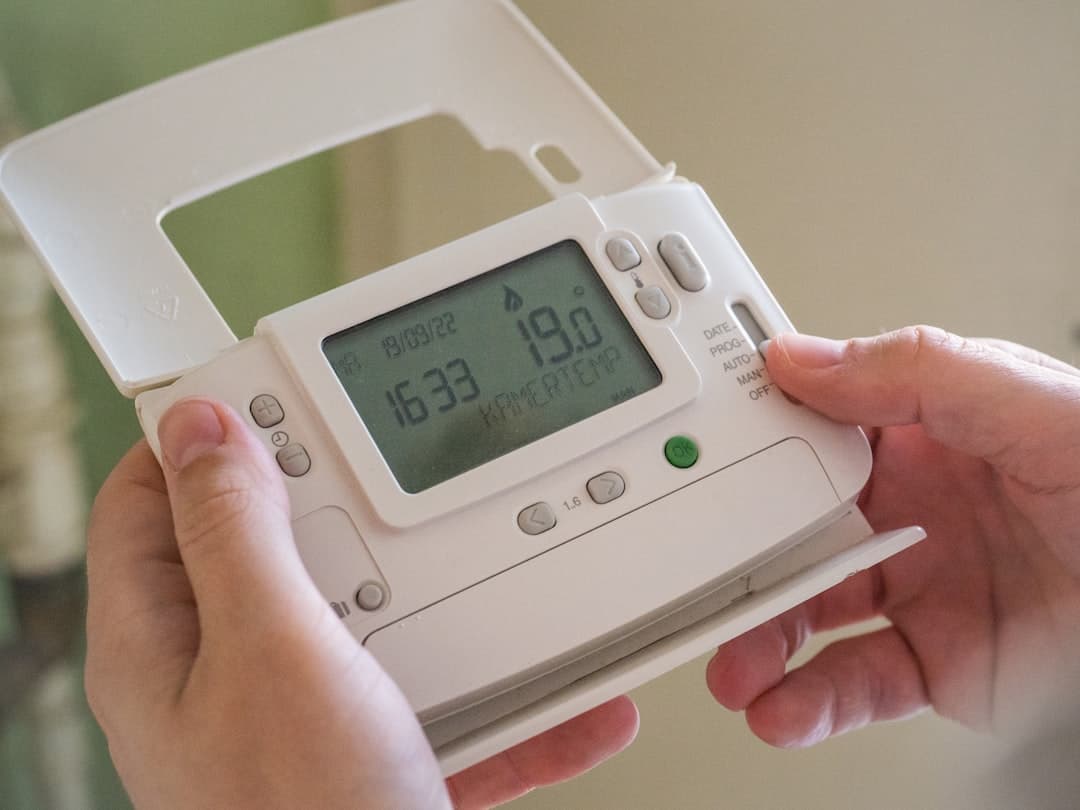
The single most useful thing you can do costs nothing. On a mild day in early fall, turn your thermostat to heat and set it about five degrees above room temperature. Let the system run a full cycle.
You are listening and smelling for problems while the stakes are low. A faint burning odor for the first few minutes is normal - that is dust burning off the heat exchanger. An odor that persists past ten minutes is not. Grinding, squealing, or a rhythmic knock all point at something mechanical. And if the system lights, runs briefly, then shuts down and tries again, that short cycling needs attention before it becomes a no-heat call.
Finding this in September means a scheduled repair. Finding it during the first cold snap means waiting in line behind everyone else who did not test theirs.
2. Change the Filter, Then Plan to Change It Again
A fresh filter before heating season is standard advice everywhere. What is specific to our climate is the frequency once the season is underway.
Because heating runs so many hours here across a long mild winter, filters load up faster than the label suggests. A filter rated for 90 days of typical use can be visibly grey by day 45 in a Northwest home running heat most of the day. Check yours monthly through the winter rather than trusting the printed interval.
A clogged filter restricts airflow, which makes the heat exchanger run hotter than designed. On a gas furnace that can trip the high-limit switch and shut the system down. It is the cheapest failure to prevent and one of the most common we see.
3. Deal With the Moisture
This is where Pacific Northwest winter prep genuinely differs from advice written for drier regions.
Our persistent humidity works on HVAC equipment in a few specific ways:
- Outdoor units corrode. If you have a heat pump, it runs all winter and cannot be covered. Clear leaves and needles from around the base and keep at least two feet of open space on every side so it can breathe and drain.
- Condensate lines clog. High-efficiency furnaces and heat pumps produce condensate year round here. A line that backs up will shut the system off or spill water near the equipment.
- Ductwork in crawlspaces sweats. Our crawlspaces stay damp. Ducts running through them can develop condensation on the outside, degrading insulation over time and inviting mold.
If you have a heat pump, one more thing worth knowing: seeing it steam or ice over briefly in cold damp weather is normal. That is the defrost cycle doing its job. A unit encased in ice that never clears is not normal and needs service.
4. Check What the Air Comes Through
Walk the house and look at every supply and return vent. Furniture pushed against a return, a rug half over a floor register, boxes stacked in front of a wall vent - each one makes the system work harder to heat the rooms that are still open.
Closing vents in unused rooms feels efficient and generally is not. Most residential systems are balanced for a set amount of open duct, and closing too many registers raises static pressure across the whole system.
While you are walking around, check that crawlspace and attic ducts are still connected and still wrapped. Disconnected duct in a crawlspace is the kind of thing that quietly doubles a heating bill for a whole season before anyone notices.
5. Set the Thermostat for a Long Season, Not a Cold Night
Deep setbacks make sense in climates with big temperature swings. In our steady, moderate cold they are less useful, and with a heat pump they can actively cost you money - dropping the temperature far overnight often forces the backup electric heat strips to run in the morning to catch up, and those are expensive.
A modest setback of a few degrees is the better approach here. If your thermostat is more than ten years old, replacing it is one of the cheaper upgrades available and it pays for itself over a long heating season.
6. Test the Safety Equipment
Any home with a gas furnace needs working carbon monoxide detectors, and heating season is when they matter most. Press the test button on each one. Replace the batteries. If a detector is more than seven years old, replace the unit itself - the sensors degrade whether or not the alarm still chirps.
Check that the area around your furnace is clear too. Storage stacked against a furnace is both a fire risk and a combustion air problem.
7. Book Professional Maintenance Early
Some of this checklist is not homeowner work. A technician inspects the heat exchanger for cracks, checks gas pressure and burner combustion, tests electrical connections and safety controls, measures refrigerant charge on a heat pump, and verifies airflow across the system.
The heat exchanger inspection is the one that matters most. A cracked heat exchanger can leak carbon monoxide into your living space, and there is no reliable way to check for it yourself.
Schedule in September or October. By the first genuinely cold week, every HVAC company in the area is running emergency calls and routine maintenance moves to the back of the queue.
The Short Version
- Test the heat on a mild day, well before you need it
- Fresh filter now, then check monthly through winter
- Clear the outdoor unit and confirm the condensate line drains
- Open the vents and check ducts in crawlspaces
- Use a modest thermostat setback, not a deep one
- Test carbon monoxide detectors and clear the furnace area
- Book professional maintenance before the rush
None of this takes long, and most of it is free. The point is to find the small problems in October, when they are inconvenient, instead of in January, when they are not.
If your system is showing any of the warning signs above, or it has been more than a year since it was professionally serviced, our team works throughout Vancouver WA and the Portland metro area. Get in touch and we will take a look before the weather turns.