
How to Choose the Right HVAC System for Your Home
How to Choose the Right HVAC System for Your Home
Replacing a heating or cooling system is one of the bigger checks a homeowner writes, and it is a decision you will live with for fifteen years or more. In Vancouver WA and the Portland metro the usual choices are a gas furnace, a heat pump, a ductless mini split, central air conditioning, or a hybrid (dual fuel) setup that pairs a heat pump with a gas furnace. Each one is the right answer for some homes and the wrong answer for others.
This guide walks through the questions that actually decide it: how big the system should be, whether your home has usable ductwork, what fuel you have, what the efficiency ratings mean, how loud it will be, what it costs to buy and to run, which rebates apply, and when a repair still makes more sense than a replacement.
The Five Common Options at a Glance
- Gas furnace: burns natural gas to heat air and pushes it through your ducts. Strong, steady heat in any weather. Heating only, so it is usually paired with an air conditioner or a heat pump for summer.
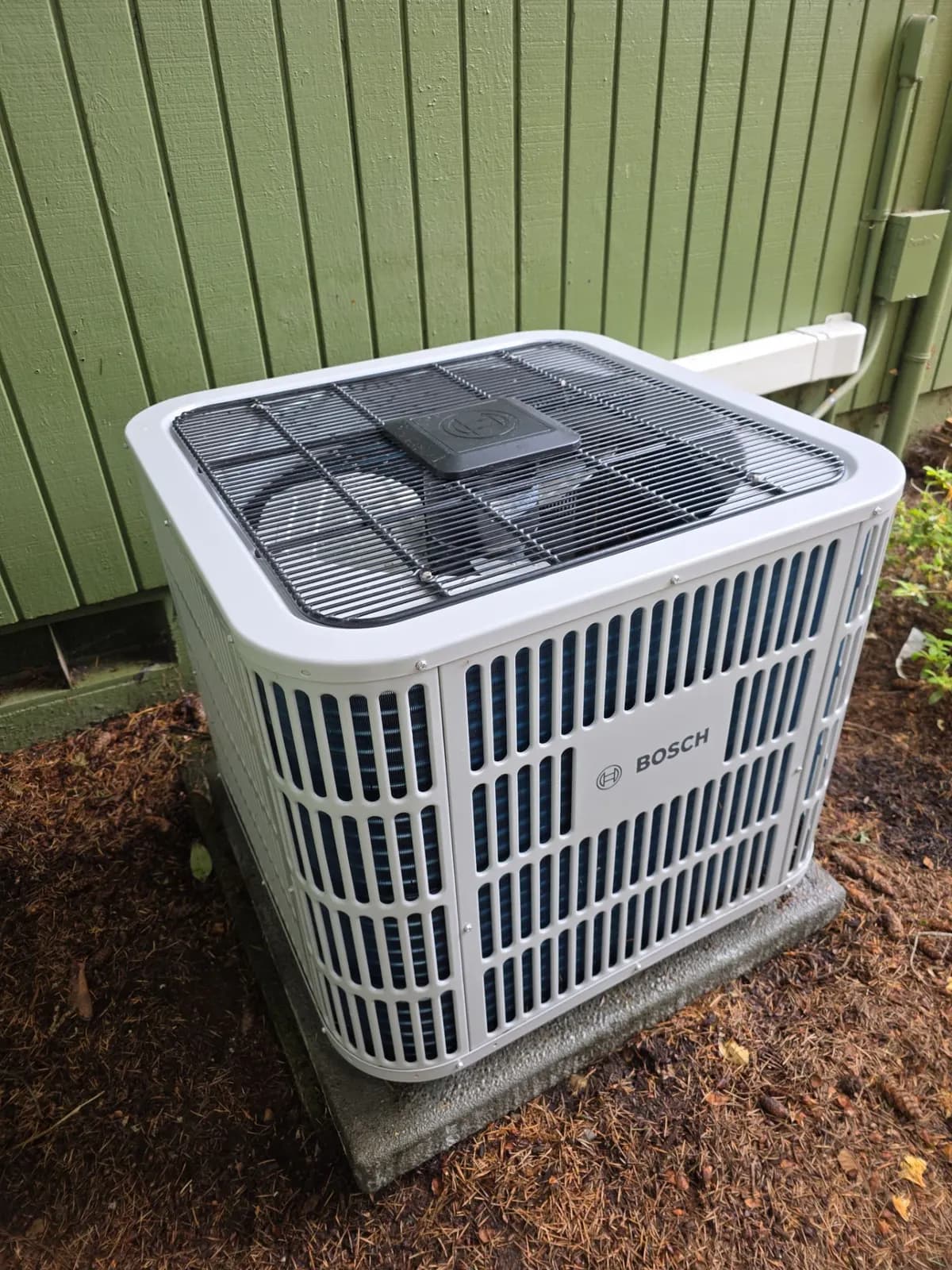
- Heat pump: an outdoor unit that moves heat into the house in winter and out of the house in summer, connected to an indoor air handler and your ducts. One system for both heating and cooling, running on electricity.
- Ductless mini split: a heat pump that delivers air through wall, ceiling, or floor units in each room instead of ducts. Ideal for homes without ductwork, additions, garages, and rooms that never feel right.
- Central air conditioner: cooling only, sharing the ductwork and blower of your furnace or air handler.
- Hybrid or dual fuel: a heat pump does most of the heating and all of the cooling, and a gas furnace takes over on the coldest days.
Step 1: Size It With a Load Calculation, Not a Rule of Thumb
The most common mistake in residential HVAC is the wrong size, and it usually comes from a shortcut like one ton of cooling per 500 square feet, or simply matching whatever was installed before. The old system may have been oversized from day one, and your home has probably changed since then with new windows, added insulation, or a finished basement.
The right method is a Manual J load calculation, the industry standard from the Air Conditioning Contractors of America. It works out how much heat your home actually gains and loses based on square footage, insulation, window size and direction, air leakage, ceiling height, and local design temperatures. The equipment is then chosen to match that load (Manual S), and the ductwork is checked to make sure it can carry the airflow (Manual D).
HVA Climate Control always does this. Every new system we quote starts with a Manual J load calculation for your home, never a rule of thumb or a copy of the old unit's size.
Why it matters:
- Oversized systems short cycle. They blast on, hit the thermostat setting fast, and shut off, which wears parts, leaves hot and cold spots, and in summer removes less humidity.
- Undersized systems run nonstop on the hottest and coldest days and still fall behind.
- Heat pumps are especially sensitive to sizing, because the size that fits your cooling load and the size that fits your heating load are not always the same.
If a quote for a new system arrives without anyone measuring the house or asking about insulation and windows, ask how the size was chosen.
Step 2: Ducted or Ductless
Your ductwork often makes this decision for you.
- Good ducts already in place: a ducted system (furnace, heat pump with air handler, central AC, or dual fuel) usually costs less per room than ductless and keeps the equipment out of sight.
- Leaky, crushed, or undersized ducts: fixing them may be part of the job. A new high-efficiency system pushing air through leaky ducts in a crawl space or attic wastes much of what you paid for. See our ductwork repair and ductwork replacement pages.
- No ducts at all: homes heated by baseboard or wall heaters, older homes, and many additions are natural fits for a ductless mini split. Running new ducts through finished walls is usually the more expensive and disruptive route.
- One problem room: a bonus room over the garage or a sunroom that never keeps up is often best solved with a single ductless head rather than a whole new system.
Step 3: Fuel and Climate in the Pacific Northwest
Our climate is mild most of the year. Winters are long, damp, and cool rather than bitterly cold, and summers have become noticeably hotter, with heat waves that make air conditioning feel less like a luxury than it once did. A few times a winter, east winds through the Columbia River Gorge bring real cold snaps, especially on the Washington side and in east Portland.
That pattern shapes the choice:
- Heat pumps fit this climate well. Most of our heating hours fall in temperatures where a heat pump is at its most efficient, and the same system handles summer cooling. Current cold-climate models keep heating well below freezing, and a backup heat source covers the rare deep cold snap.
- A gas furnace makes sense if you already have a gas line, you want strong heat no matter the temperature, or you already have a newer AC and only need to replace the heating side.
- Dual fuel gives you both. If you have gas and need cooling, a heat pump paired with a gas furnace lets the heat pump carry most of the season efficiently while the furnace takes over in the coldest weather. Many homeowners here find it the most comfortable setup.
- No gas at the house: a heat pump (ducted or ductless) is almost always the better choice over electric resistance heat such as an electric furnace or baseboards, which costs far more to run.
Step 4: Understand the Efficiency Ratings
Every system carries a rating on its yellow EnergyGuide label. Higher ratings usually cost more up front and less to run.
AFUE (gas furnaces)
Annual Fuel Utilization Efficiency is the share of the fuel you buy that becomes heat in your home. An 80% AFUE furnace turns 80 cents of every gas dollar into heat; a 96% to 98% model turns nearly all of it into heat. High-efficiency furnaces vent through PVC pipe rather than a metal flue, which matters if your current furnace shares a chimney with a water heater. In Washington and Oregon, a gas furnace needs a 97% AFUE rating to earn the ENERGY STAR label.
With the same home and the same heat, a 97% AFUE furnace is rated to burn about 17.5% less gas than an 80% one. The example below does not include utility price increases; if gas prices rise, the savings grow.

SEER2 (air conditioners and heat pumps, cooling)
Seasonal Energy Efficiency Ratio 2 measures cooling efficiency over a season, using the updated test method that took effect in 2023. In the northern region that includes Washington and Oregon, the minimum for a new split system air conditioner is 13.4 SEER2, and for a split heat pump it is 14.3 SEER2. Variable-speed models rate higher and also run quieter and hold humidity steadier.
HSPF2 (heat pumps, heating)
Heating Seasonal Performance Factor 2 measures a heat pump's heating efficiency. The minimum for a new split heat pump is 7.5 HSPF2. Because heating is the bigger part of the year here, HSPF2 deserves as much attention as SEER2 when you compare heat pumps. For cold snaps, also ask how much of its rated capacity the unit keeps at low outdoor temperatures.
Rebate programs often set their own minimum ratings, so check those before you settle on a model.
Step 5: Think About Noise
Noise is easy to overlook in a showroom and hard to ignore once the unit is beside your bedroom window.
- Variable-speed (inverter) equipment is quieter. It spends most of its time running at low speed instead of cycling on at full blast.
- Placement matters as much as the model. Keep outdoor units away from bedroom windows, patios, and the neighbor's side yard where you can, and set them on a level pad or wall brackets that limit vibration.
- Indoors, ductless heads are very quiet on low speed, and a properly sized duct system avoids the whistling and rushing air that come from too little return air or undersized ducts.
- Compare published sound ratings in decibels between models, keeping in mind each manufacturer measures under its own test conditions.
Step 6: Weigh Upfront Cost Against Operating Cost
The cheapest system to install is rarely the cheapest system to own. Look at both numbers.

- Upfront cost depends on the equipment, the efficiency tier, any duct or electrical work, venting changes, and permits. A furnace replacement in an existing duct system is usually the lowest upfront cost for heating the whole home; a full dual fuel system (new heat pump and new furnace) and multi-zone ductless systems are usually the highest. Adding a heat pump to a newer furnace you already have costs less than replacing both. It also depends on the company you choose. Quotes for the same home can vary widely, so compare what each one includes, not just the total. We size the system to your home, walk you through the options, and help you find the best fit for your budget.
- Operating cost depends on your gas and electric rates and on efficiency. Over a typical winter here, a heat pump delivers roughly two to three units of heat for each unit of electricity it uses. On Clark Public Utilities rates that usually makes it cheaper to run than gas; on PGE or Pacific Power rates in Portland it usually costs about the same as, or a little more than, a new high-efficiency furnace. Either way it beats electric resistance heat by a wide margin.
- Maintenance is part of the cost too. A heat pump runs year round, so it needs yearly service just like a furnace does. Our maintenance plans cover that.
- Warranty terms are set by the manufacturer and often require online registration within a set period after installation. Read them before you buy, and keep the paperwork.
Step 7: Check Rebates Before You Buy
Utility rebates can take a real bite out of the price of a heat pump or ductless system, but most require the equipment to meet specific ratings and the paperwork to be filed correctly, so plan for them before installation day.
- Heat Pump Program for ducted heat pumps
- Ductless Heat Pump Program for mini splits
- Smart Thermostat Program for qualifying thermostats
Programs and amounts change, and they differ by utility. Clark County homeowners usually go through Clark Public Utilities; on the Oregon side, check Energy Trust of Oregon and your utility for current offers. Note that the 25C energy efficiency credit for heat pumps and furnaces ended after 2025, so do not count on it for a 2026 installation.
Step 8: Repair or Replace?
Not every breakdown means a new system. A repair visit starts with a $150 diagnostic so you know exactly what failed before you decide. Estimates for a new or replacement system are free.
Repair usually makes sense when:
- The system is under about ten years old and has been maintained
- The failed part is a common one, like a capacitor, igniter, flame sensor, or blower motor
- It heats and cools the house evenly and your bills have not crept up
Replacement starts to make sense when:
- The system is past about fifteen years, or the repair is a big one such as a compressor, a heat exchanger, or a coil
- A gas furnace has a cracked heat exchanger, which is a safety issue and not a repair
- An older AC or heat pump uses R-22 refrigerant, which is no longer produced and is expensive to find
- You have paid for two or three repairs in as many years
- You want something the current system cannot do, like adding cooling to a furnace-only home or replacing baseboard heat
A rough guide many contractors use: multiply the system's age by the repair cost. If the result is above about $5,000, replacement is worth a serious look. Factor in lower monthly bills and any rebates on a new system, not just the repair price.
Which Brands Do We Install?
We are a Bosch and Coleman dealer. Bosch is our go-to for inverter heat pumps and ductless mini splits, and both lines include gas furnaces, heat pumps, and air handlers for ducted homes. You can see recent installs, including heat pumps, high-efficiency furnaces, and ductless systems around Vancouver and Portland, in the Our Work gallery on our About page.
The Short Version
- Size the system with a Manual J load calculation, never a square-foot rule
- Good ducts point to a ducted system; no ducts point to ductless
- Heat pumps suit our mild, damp winters and hotter summers; dual fuel adds gas backup for cold snaps
- Compare AFUE for furnaces, SEER2 for cooling, and HSPF2 for heat pump heating
- Choose variable-speed equipment and smart outdoor placement for quiet
- Judge cost over the life of the system, not just the install price
- Line up rebates before installation, not after
- Repair young systems with simple failures; replace old ones facing major repairs
Get a Free New-System Estimate
If you are weighing a new gas furnace, a heat pump or central AC installation, or a ductless system, we will measure your home, check your ductwork, and walk you through the options that fit it, with a written estimate at no charge. Call us at (360) 888-2217 or request your free estimate online. We serve Vancouver WA, the Portland metro, and surrounding communities, Monday through Friday 8 AM to 9 PM and weekends 9 AM to 9 PM.