
5 Signs Your Air Conditioner Needs to Be Replaced
5 Signs Your Air Conditioner Needs to Be Replaced
Most air conditioners in the Pacific Northwest last somewhere between 12 and 17 years. Our summers are milder than in most of the country, which is easy on equipment, but our damp winters and long off-seasons take their own toll on outdoor units. Somewhere along the way, every homeowner faces the same question: is this worth repairing again, or is it time to replace the whole system?
There is rarely a single dramatic moment that answers it. Instead, an aging AC gives you a series of smaller hints. Here are the five that matter most.
1. Your Energy Bills Keep Climbing Without an Explanation
Compare this July's electric bill to the same month two or three years ago. If your usage habits have not changed but the cost has crept steadily upward, your air conditioner is working harder to deliver the same amount of cooling.
Efficiency loss is gradual. Compressors wear, refrigerant charge drifts slightly out of spec, coils accumulate a film that no amount of rinsing fully removes. A system that once cooled your home on a 20 minute cycle may now run for 40 minutes to reach the same setpoint, and you pay for every one of those extra minutes.
There is also a generational gap worth knowing about. A unit installed in 2008 might carry a SEER rating of 10 or 13. Systems sold today start at SEER2 14.3 and climb well past 20. Moving from an old 10 SEER unit to a modern high-efficiency one can cut cooling costs by a third or more, which changes the math on whether replacement makes financial sense.
2. Repairs Are Becoming a Regular Line Item
One repair in a decade is normal maintenance. Three service calls in two summers is a pattern, and patterns tend to continue.
A useful guideline is the $5,000 rule: multiply the cost of the proposed repair by the age of the unit in years. If the result clears $5,000, replacement is usually the better investment. A $700 repair on a 9 year old system comes to $6,300, which points toward replacing rather than patching.
Parts availability matters too. Components for systems older than 10 to 15 years get harder to source, and what used to be a same-day fix turns into a week of waiting during the hottest stretch of the year.
3. The System Uses R-22 Refrigerant
If your air conditioner was installed before 2010, there is a good chance it runs on R-22, also called Freon. Production and import of R-22 ended in the United States in 2020 under the Clean Air Act. It is not illegal to keep using a system that has it, but the only supply left is reclaimed and stockpiled, and the price reflects that scarcity.
The practical consequence: a refrigerant leak on an R-22 system can cost more to recharge than the equipment is worth. Since a leak is also a sign of aging coils and fittings, you are often paying a premium to top off a system that will leak again.
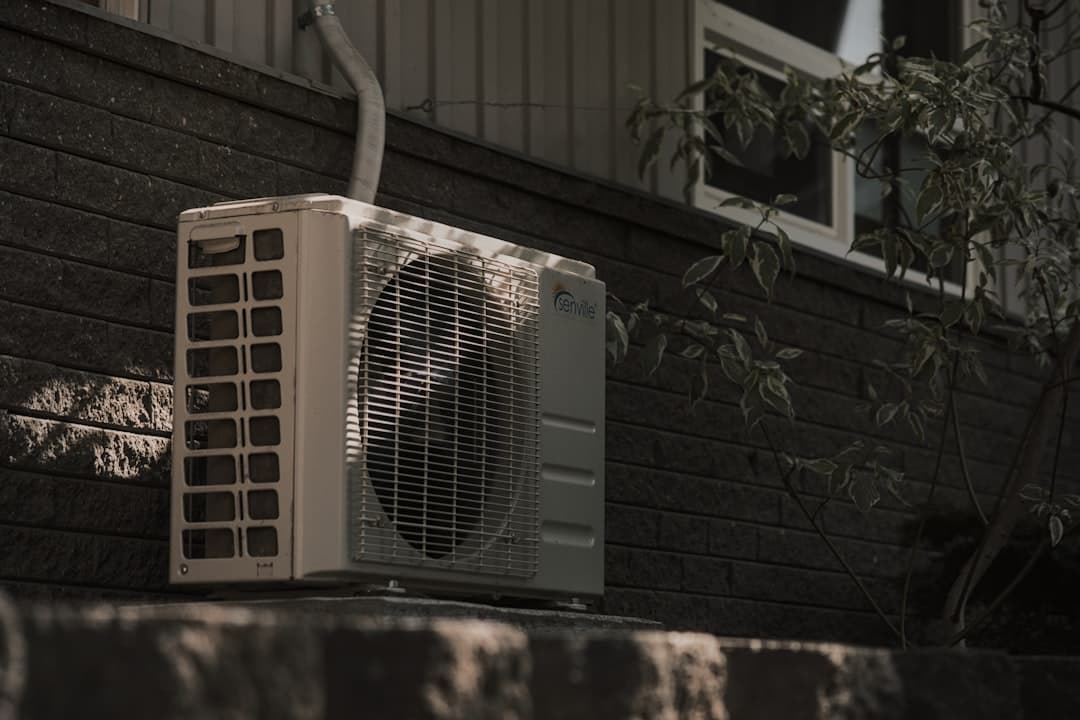
Check the nameplate on your outdoor unit. If it reads R-22, start planning for replacement rather than waiting for the failure that forces the decision on a 95 degree afternoon.
4. Some Rooms Never Get Comfortable
Uneven cooling has a few possible causes, and not all of them are the air conditioner's fault. Undersized or leaking ductwork, blocked returns, and poor insulation all produce the same symptom. That is worth an inspection before you assume the worst.
But when a system that used to cool the whole house evenly starts leaving the upstairs bedrooms warm, the equipment is usually losing capacity. A weakening compressor cannot move heat the way it once did, and the rooms farthest from the air handler are the first to show it.
Humidity is the companion symptom. A properly sized, healthy AC pulls moisture out of the air as it cools. If your home feels clammy even when the thermostat says it has hit the target temperature, the system is short cycling or has lost the capacity to dehumidify properly.
5. It Has Gotten Loud
Air conditioners make noise. What matters is a change in the noise.
- Grinding or squealing: worn blower or fan motor bearings
- Banging or clanking: a loose or failing compressor component
- Rattling from the outdoor unit: loose hardware or a failing fan
- Hissing or bubbling: a refrigerant leak
Some of these are inexpensive fixes. A failing compressor is not. It is the most expensive component in the system, and on a unit past 10 years old, replacing the compressor often costs a substantial fraction of a whole new system that would come with a fresh warranty and much better efficiency.
Repair or Replace: How to Decide
Weigh four things together rather than any one alone:
- Age. Under 10 years usually favors repair. Past 15 favors replacement.
- Repair cost. Apply the $5,000 rule described above.
- Repair frequency. Multiple calls in consecutive seasons signal broader wear.
- Efficiency. The older the SEER rating, the more a new system pays you back monthly.
Timing helps as well. Replacing in spring or fall means better scheduling, more equipment options, and no scramble during a heat wave. Rebates through Clark Public Utilities and Energy Trust of Oregon can also offset a meaningful share of the cost, particularly on heat pumps.
Get an Honest Assessment
Not every aging air conditioner needs replacing. Sometimes the real problem is a duct leak or a failed capacitor, and a straightforward repair buys several more good years.
HVA Climate Control serves Vancouver, WA, Portland, OR, and the surrounding communities. We will evaluate your system's age, efficiency, and condition, then tell you plainly whether repair or replacement makes more sense for your home and budget. Contact us to schedule an inspection.