

Emergency HVAC Repair in Vancouver WA: What to Do First
A furnace that stops on a cold Vancouver night or an air conditioner that quits during a hot afternoon can turn from inconvenient to urgent fast. When you need emergency HVAC repair Vancouver WA homeowners can depend on, the first priority is protecting people, property, and equipment while getting a qualified technician involved.
Not every HVAC problem is an emergency. A noisy system that is still heating or cooling may be able to wait for a regular appointment. No heat in freezing conditions, no cooling during extreme heat, burning odors, electrical issues, refrigerant concerns, or a commercial refrigeration failure are different. Those situations deserve quick action and a clear diagnosis.
When an HVAC Problem Is an Emergency
An emergency is less about whether the system is completely off and more about what the failure could affect. A home without reliable heat can become unsafe for young children, older adults, pets, and vulnerable residents. A failed air conditioner may create unsafe indoor temperatures during a heat event, especially in upper-floor rooms with poor airflow.
Call for urgent service if you notice a burning smell, smoke, sparks, or repeated breaker trips. If you smell gas or a carbon monoxide alarm sounds, leave the building first and call 911 or your gas utility from outside. Do not try to restart a furnace after a suspected gas leak or attempt electrical repairs yourself.
Water around an indoor unit also needs attention. A clogged condensate drain can cause ceiling, wall, or flooring damage, while a frozen evaporator coil can send water where it does not belong after the ice melts. Turn the system off if water is actively leaking and protect the surrounding area if it is safe to do so.
For restaurants and other commercial facilities, urgency can look different. A refrigeration failure can put inventory at risk. A ventilation hood that will not operate can interrupt cooking, create safety concerns, and force a change in service. Fast diagnosis matters because downtime affects staff, customers, and daily revenue.
What to Do Before the Technician Arrives
A few safe checks can sometimes restore operation or give the technician useful details before arrival. Start at the thermostat. Confirm it has power, is set to Heat or Cool as needed, and is set several degrees above or below the current indoor temperature. If the screen is blank, replace batteries if the model uses them.
Next, check the air filter. A heavily loaded filter restricts airflow and can contribute to overheating, frozen coils, weak heating, and poor cooling. Replace it if it is visibly dirty, but do not run the system without a filter in place.
Look at the electrical panel only if there is no smoke, odor, or visible damage. If an HVAC breaker has tripped once, reset it one time. If it trips again, leave it off. A breaker that will not stay on can point to a failing component or electrical fault that requires professional service.
Outside, make sure a heat pump or air-conditioning unit is clear of loose debris, leaves, and snow buildup. Do not chip ice off a heat pump coil, remove panels, or reach into the equipment. In winter, some frost during defrost operation is normal. Thick ice that covers the coil or fan is not.
When you call, share the system type, the symptoms, any unusual sounds or smells, the thermostat setting, and whether the unit is running at all. That information helps prioritize the visit and prepares the technician for a more efficient diagnosis.
Emergency HVAC Repair in Vancouver WA Requires a Real Diagnosis
A quick fix is only useful if it addresses the actual failure. HVAC equipment can show the same symptom for several different reasons. A furnace that blows cold air could have a thermostat issue, dirty flame sensor, ignition failure, airflow problem, control-board fault, or fuel-related concern. An air conditioner that runs but does not cool could have a clogged filter, failed capacitor, frozen coil, blower problem, refrigerant leak, or compressor issue.
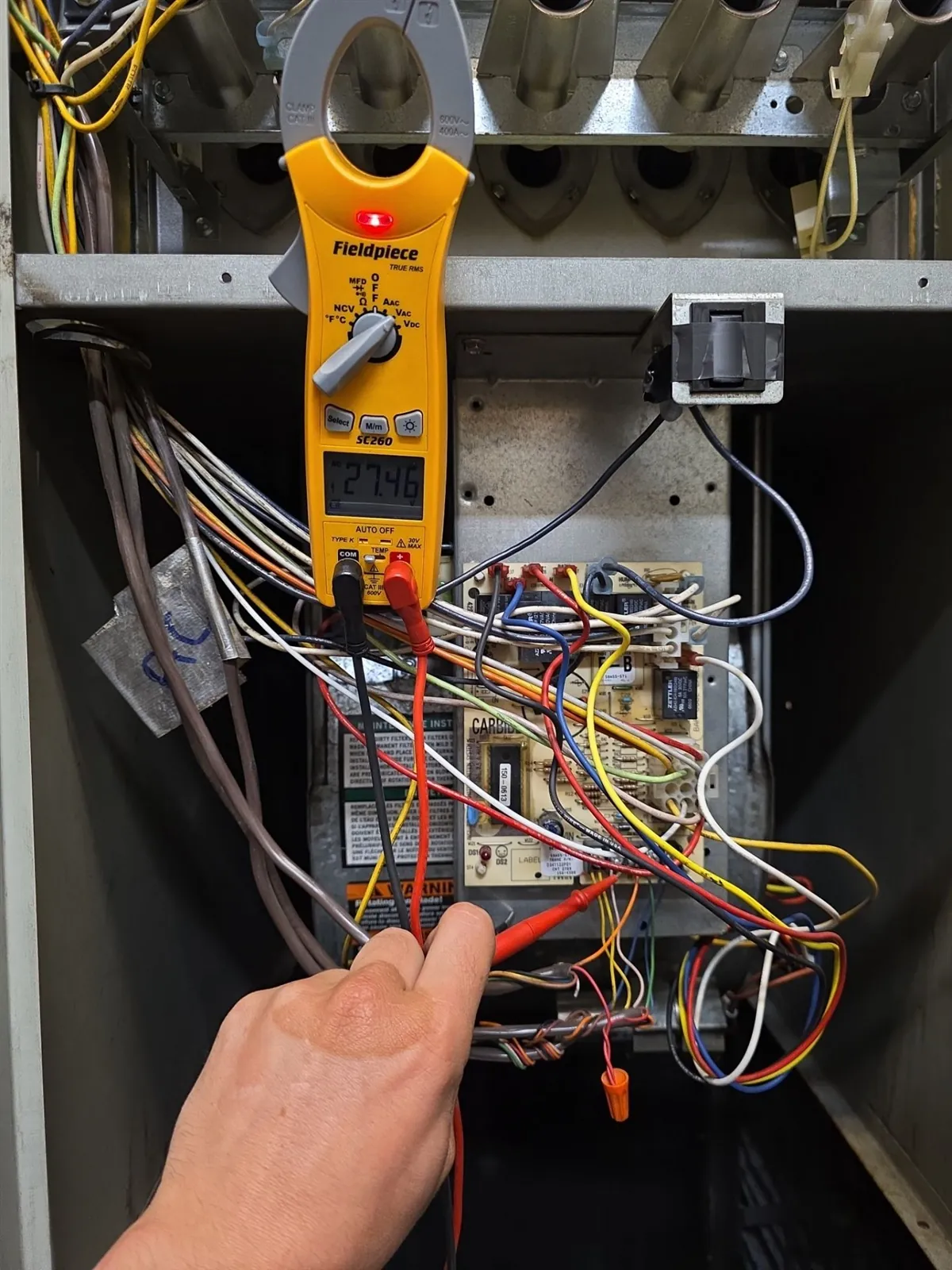
A qualified technician should inspect the full operating sequence instead of replacing the first part that seems likely. That means checking electrical readings, safety switches, airflow, drainage, thermostat communication, ignition or refrigeration performance, and the condition of key components. The goal is to explain what failed, why it failed, and what the repair will accomplish.
At HVA Climate, urgent service is handled with a practical focus: restore safe, reliable operation where possible, explain the repair clearly, and avoid pushing a replacement when a repair makes sense. Customers deserve straightforward answers, especially when the system quits at the worst possible time.
We take urgent gas furnace, electric furnace, and air conditioner repair calls 7 days a week during business hours, Monday through Friday 8 AM to 9 PM and weekends 9 AM to 9 PM. No-heat calls are prioritized, and home repair visits start with a $150 diagnostic.
Repair or Replacement: The Answer Depends
A system failure does not automatically mean you need new equipment. Many emergency calls involve repairable parts such as capacitors, contactors, flame sensors, blower motors, drain switches, igniters, or thermostats. If the system is otherwise in good condition, the repair is reasonable, and it can deliver dependable service for years.
Replacement becomes a more serious conversation when repairs are frequent, a major component has failed, efficiency is poor, parts are obsolete, or the equipment is nearing the end of its expected service life. Refrigerant availability can also affect the decision on older air conditioners and heat pumps. The right path depends on the equipment’s condition, repair history, operating cost, and how well it serves the property.
If replacement is the better long-term choice, sizing matters. An oversized furnace or air conditioner can short-cycle, waste energy, and leave rooms unevenly conditioned. An undersized system may run constantly and still struggle during peak weather. Precision-configured comfort starts with evaluating the property, ductwork, insulation, airflow, and household needs, not simply matching the size of the old unit.
Avoiding the Next Emergency HVAC Call
Some emergencies cannot be predicted, but preventive service reduces avoidable breakdowns. A seasonal tune-up gives a technician the chance to catch worn electrical components, drainage problems, dirty coils, weak motors, ignition concerns, and airflow restrictions before they become a no-heat or no-cooling call.
Homeowners can help between visits by checking filters regularly, keeping outdoor units clear, listening for new noises, and addressing small performance changes early. Rooms that are suddenly too hot or cold, unusual cycling, rising utility bills, or reduced airflow are worth investigating before the system fails completely.
Ductwork and ventilation deserve attention, too. Leaky, disconnected, or poorly designed ducts can make a healthy HVAC system seem inadequate. Dryer vents that are clogged reduce dryer performance and create a fire risk. Fresh-air systems, kitchen ventilation, and properly balanced airflow all support better comfort and safer indoor conditions.
Prompt Service Matters, but So Does Clear Communication
When heating or cooling stops, homeowners need more than a rushed visit. They need to know whether the problem is safe to manage temporarily, what the technician found, what the repair costs, and what to expect after the work is complete. That is the difference between a temporary patch and a service experience that earns trust.
If your system fails, focus first on safety, then take the simple checks that do not put you at risk. A prompt, professional diagnosis can bring comfort back sooner and help you make a sound decision for your home or business.